
Blog
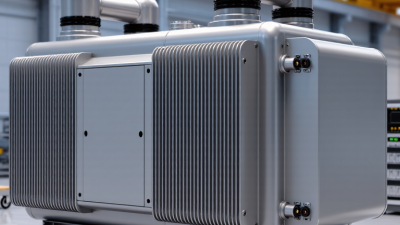
China Top Generator Step Up Transformer Suppliers?
Choosing among China’s leading generator step-up transformer suppliers requires more than comparing price lists. A GSU transformer raises generator voltage for efficient transmission, while carrying demanding electrical and thermal loads. Small design choices matter. Winding insulation, cooling arrangements, bushings, and factory test records can shape long-term reliability.
A useful technical lens comes from Dr. S. V. Kulkarni, co-author of Transformer Engineering: Design, Technology, and Diagnostics. His published work connects transformer design with testing and diagnostics; that perspective encourages buyers to assess these areas together. It is not a substitute for reviewing a supplier’s actual records. Ask for evidence, not broad assurances.
This guide examines Chinese suppliers through practical questions: What voltage and capacity ranges do they support? Can they document routine and type testing? How clearly do they explain materials, losses, cooling, and service support? A polished brochure may show a transformer beside a spotless factory floor. Yet the more revealing details are often found in test reports, reference projects, and written responses to technical questions.
No single supplier suits every project. Compare specifications against the generator, grid connection, operating environment, and project requirements. Some details may remain unclear until a technical review. That is worth acknowledging. Careful qualification helps separate a capable manufacturer from one that simply presents well.
Read more »
 By:Charlotte
- October 29, 2026
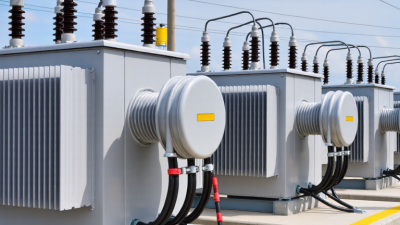
2026 Top Ground Mounted Distribution Transformers Suppliers?
Choosing the 2026 top Ground Mounted Distribution Transformers suppliers requires more than comparing prices or catalog photographs. Buyers need evidence from real installations, factory testing, and long-term field performance. A reliable supplier should provide clear data for kVA ratings, primary and secondary voltages, impedance, losses, cooling methods, enclosure protection, and tap settings. Small details matter.
John J. Winders, a recognized transformer engineering author, describes the transformer as “a static device that transfers electrical energy from one circuit to another.” This simple statement explains the core responsibility of every supplier. The equipment must transfer power efficiently, safely, and consistently under changing loads. It should also withstand sunlight, rain, dust, salt air, and occasional maintenance mistakes. Harsh sites expose weak designs quickly.
This guide examines leading suppliers through practical criteria. These include manufacturing experience, material quality, compliance documentation, warranty support, customization capacity, delivery reliability, and after-sales service. We also consider total ownership cost, not just the initial quotation. A lower purchase price can become expensive when losses rise or replacement parts arrive late. That happens.
The ranking is not absolute. Regional grid conditions, utility specifications, climate, and project scale can change the best choice. Some suppliers may excel in compact urban substations, while others perform better in renewable-energy or industrial applications. Readers should verify certifications, test reports, references, and local service capability before purchasing. Even respected brands can produce unsuitable equipment for a poorly defined project. This review aims to make that risk easier to see.
Read more »
 By:Isabella
- October 24, 2026

China Top Pole Mounted Distribution Transformers Supplier?
Choosing the right China supplier for Pole Mounted Distribution Transformers requires more than comparing catalog prices. It demands evidence, engineering knowledge, and practical field experience. These transformers sit beside roads, farms, factories, and residential streets. Their performance affects voltage quality, maintenance costs, and public safety.
Dr. John D. McDonald, an IEEE power-system specialist, states, “Good grid design starts with reliable equipment and disciplined application.” This principle applies directly to supplier evaluation. A credible manufacturer should explain core materials, winding design, insulation systems, oil quality, temperature rise, and short-circuit performance. It should also provide routine and type-test records from qualified laboratories. Clear drawings matter. So do traceable components and consistent factory inspection.
Look closely at the details.
A strong supplier should support common ratings, including 50 kVA, 100 kVA, and 250 kVA units. It should offer suitable primary voltages, secondary voltages, tap arrangements, and connection groups. Factory visits can reveal more than polished brochures. Check winding cleanliness, tank welding, paint thickness, bushing installation, and final leak testing.
No supplier is perfect.
Even experienced manufacturers may face delays, design revisions, or communication gaps. Buyers should question delivery promises, warranty terms, spare-part access, and after-sales response times. A low quotation can hide weak testing or limited technical support. That risk deserves careful reflection.
This guide examines China’s leading Pole Mounted Distribution Transformers suppliers through measurable quality, application expertise, certification, export experience, and customer reliability. The goal is not to promote the cheapest option. It is to identify a dependable partner for safe, efficient, and long-term distribution service.
Read more »
By:Isabella
- October 19, 2026

10 Tips for Buying Dry Type Transformers?
Choosing a transformer is not merely a price comparison for a purchasing team. Dry Type Transformers affect safety, energy use, noise, maintenance, and future capacity. A reliable decision begins with the actual installation, not a convenient catalog number.
In operating facilities, engineers often inspect load profiles, ambient temperature, altitude, ventilation, and available floor space. These details can change the required rating. A transformer that fits electrically may still overheat in a cramped electrical room. Small details matter.
This guide presents ten practical tips for evaluating manufacturers, specifications, insulation systems, efficiency, protection, testing, delivery, and service support. It encourages buyers to compare complete lifecycle costs, rather than focusing only on the initial quotation. That approach feels obvious, yet it is frequently missed.
Technical documents should be checked by qualified personnel. Relevant IEC, IEEE, or local requirements may apply, depending on the project location and application. Certification claims deserve verification. Ask for routine test records, temperature-rise data, warranty terms, and clear installation instructions.
No checklist is perfect. Real projects contain uncertain loads, changing schedules, and incomplete information. I have seen decisions improve after one simple question: “What happens if demand grows?” That question may expose an undersized unit before installation begins.
The best purchase balances performance, safety, maintainability, and vendor credibility. It also leaves room for honest technical review. Use these ten tips as a practical framework, then confirm every critical choice with an experienced transformer specialist.
Read more »
 By:Samantha
- October 14, 2026
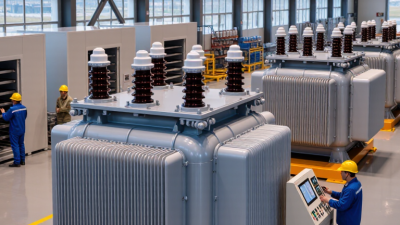
China Best Oil Filled Transformers Manufacturer?
Choosing the China Best Oil Filled Transformers Manufacturer requires more than comparing prices or browsing polished factory photos. A dependable supplier should demonstrate verified design capability, stable materials, controlled production, and transparent testing records. The manufacturer must understand utility substations, industrial plants, renewable projects, and demanding outdoor environments. Each application changes the decision.
Martin J. Heathcote, author of The J&P Transformer Book, states, “A transformer must be designed for the system it serves, not simply for its nameplate.” This principle remains important when evaluating Oil Filled Transformers. Buyers should examine core steel quality, winding construction, insulation systems, oil preservation, temperature-rise results, and short-circuit performance. Factory acceptance testing should include routine electrical checks and documented inspection procedures. Ask for calibration records, not broad promises.
A strong Chinese manufacturer also explains maintenance clearly. Look for oil sampling guidance, leakage prevention, bushing specifications, and spare-parts support. Visit the production line when possible. Notice how tanks are welded, how coils are dried, and how final units are handled. Small details reveal working discipline.
No supplier is perfect. Some product pages overstate experience. Some buyers also focus too heavily on initial cost. That can become an expensive mistake. A better evaluation considers lifecycle losses, delivery consistency, field service, warranty response, and compliance with applicable international standards. The best choice is not merely the largest factory. It is the manufacturer that provides evidence, answers technical questions precisely, and accepts responsibility after shipment. That standard deserves careful reflection.
Read more »
By:Charlotte
- October 9, 2026
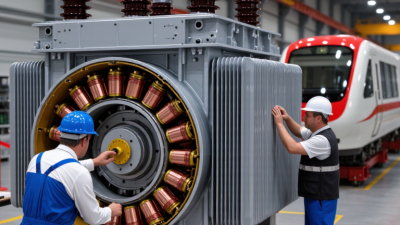
China Best Special Application Transformers Manufacturer?
Choosing the China Best Special Application Transformers Manufacturer requires more than comparing catalog prices. It demands practical judgment, verified engineering data, and evidence from demanding installations. These transformers may serve railway systems, medical equipment, marine platforms, renewable-energy plants, or industrial furnaces. Each application creates different thermal, insulation, noise, protection, and reliability requirements.
Nikola Tesla, a foundational authority in alternating-current engineering, wrote, “The present system of electric distribution by alternating currents is the only one which can be used for the transmission of energy economically.” His observation remains relevant because modern Special Application Transformers must transfer power efficiently under unusual operating conditions. However, efficiency alone is not enough. A suitable manufacturer should demonstrate tested materials, controlled production, traceable components, and clear technical support.
Look closely.
A credible Chinese supplier should provide factory audits, routine test reports, temperature-rise records, and applicable certification documents. Engineers should also review winding design, cooling methods, short-circuit strength, partial-discharge performance, and enclosure protection. Site experience matters. A transformer that performs well in a clean factory may struggle in salt air, dust, vibration, or frequent load changes.
There is no perfect shortlist. Specifications can be incomplete, and marketing claims can sound stronger than field evidence. That is where careful questioning becomes valuable. This guide examines leading manufacturers through technical capability, customization experience, delivery consistency, after-sales response, and documented project performance. The strongest choice may not be the cheapest one. It should be the manufacturer that understands the application, admits its limits, and still delivers dependable Special Application Transformers.
Read more »
By:Charlotte
- October 4, 2026
What Are the Top Compact Package Substations in 2026?
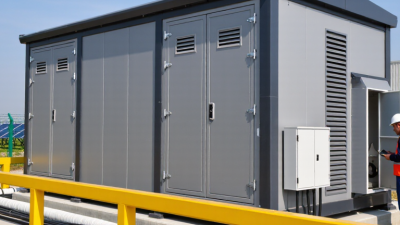
What Are the Top Compact Package Substations in 2026? This question reaches beyond brand rankings. It concerns safety, footprint, thermal performance, installation speed, and long-term serviceability. Compact Package Substations now support factories, renewable-energy sites, commercial buildings, transport hubs, and dense urban projects. Their steel enclosures may look similar, but internal design choices create important differences.
Power-distribution specialist Dr. Thomas A. Short has often emphasized, “A substation is successful only when it performs reliably in its actual environment.” That principle remains useful in 2026. A coastal installation needs corrosion resistance. A solar farm needs dependable protection under changing loads. An urban project may value low noise and minimal maintenance more than maximum capacity. The best choice is rarely the smallest unit on a catalogue page.
This guide examines leading Compact Package Substations through practical criteria. We consider transformer efficiency, switchgear configuration, ingress protection, cooling, monitoring, safety clearances, and factory testing. Real project conditions matter. Cable routes, soil conditions, emergency access, and future load growth can change the final decision.
Some comparisons remain imperfect. Manufacturers publish different test conditions, and not every performance claim is directly comparable. That deserves caution. A polished enclosure does not guarantee dependable operation. Engineers should verify standards, certifications, service support, spare-parts availability, and local installation requirements before purchasing. The strongest 2026 options combine compact construction with transparent documentation, proven field experience, and maintainable design. Reliability is not a feature added at the end. It begins with honest evaluation.
Read more »
By:Isabella
- September 29, 2026

Top Types of Distribution Transformers for Global Buyers?
Distribution Transformers sit at the final, highly visible stage of power delivery. They step medium-voltage electricity down for homes, factories, shops, and public facilities. For global buyers, choosing a type is not a simple catalog decision. Climate, load profile, installation space, maintenance capacity, and local grid conditions all matter. A unit beside a humid coastal road faces different demands from one inside a compact city substation.
The investment context is significant. The International Energy Agency’s Electricity Grids and Secure Energy Transitions report says the world may need to add or replace 80 million kilometres of grids by 2040. It also estimates annual grid investment must rise above USD 600 billion by 2030. These are grid-wide figures, not transformer sales forecasts, but they show the scale of modernization ahead. As IEA Executive Director Fatih Birol has put it, “There is no clean energy transition without grids.” Distribution equipment is part of that challenge.
This guide compares the main options buyers encounter: oil-immersed and dry-type units, pole-mounted and pad-mounted designs, and conventional and smart transformers. It considers where each type fits, what trade-offs deserve attention, and which specifications to verify before purchase. A lower purchase price can look attractive. It may not tell the whole story. Efficiency, cooling, noise, safety features, and service access affect performance over years of operation. Requirements also vary by project, so no single type is best everywhere. The distinctions are easy to overlook. The details matter.
Read more »
By:Isabella
- September 24, 2026

How to Choose Power Transformers for Global Projects
Choosing Power Transformers for global projects requires more than comparing capacity, voltage, and price. A transformer that performs well in a dry inland substation may struggle in a coastal plant, a desert corridor, or a tropical city with frequent storms. Project teams must examine load profiles, harmonics, ambient temperature, altitude, cooling methods, insulation levels, transport routes, and local grid practices. Small assumptions become expensive problems.
Transformer specialist Martin J. Heathcote wrote, “The transformer is the heart of the electrical power system.” This principle gives the selection process practical weight. A failed unit can interrupt production, damage sensitive equipment, and create long replacement delays. Therefore, buyers should evaluate tested design data, proven suppliers, factory inspection procedures, spare-parts support, and service capability near the installation site. Certification alone is not enough. It should connect with real operating conditions.
The process also requires disciplined technical dialogue. Engineers should confirm impedance tolerance, tap-changer performance, short-circuit withstand, fire protection, noise limits, and efficiency under expected loads. A 100 MVA rating may look suitable, yet poor cooling margins can reduce dependable performance. That detail is easy to miss.
There is no perfect specification. Overdesign increases cost and transport difficulty, while underdesign limits future expansion. A careful decision balances present demand, climate exposure, maintenance access, grid stability, and ten-year growth. This guide explains how to compare Power Transformers with clearer evidence, fewer assumptions, and a healthier respect for uncertainty. Mistakes can happen. The goal is to make them visible before procurement begins.
Read more »
By:Isabella
- September 19, 2026

How to Choose the Best Dry Type Cast Resin Transformers?
Choosing the right Dry Type Cast Resin Transformers can be a daunting task. According to industry expert John Smith, “The right choice in transformers can significantly impact operational efficiency.” This statement highlights the importance of proper selection. Understanding the specifics of Dry Type Cast Resin Transformers is essential for any project.
When navigating this field, consider the application environment. Factors such as humidity, temperature, and space limitations can significantly influence your choice. Dry Type Cast Resin Transformers are known for their reliability and low maintenance. However, they may not be ideal for every situation.
Quality is crucial, too. Not all brands provide the same levels of safety and durability. Every project requires a tailored approach. It’s worth reflecting on past experiences with transformer choices. Learning from those can lead to better decision-making. A well-informed selection today can ensure efficiency tomorrow.
Read more »
By:Isabella
- August 22, 2026

Top 5 Benefits of Oil Filled Distribution Transformers?
In the realm of electrical distribution, Oil Filled Distribution Transformers stand out for their remarkable efficiency and reliability. Industry expert Dr. Samuel Greene notes, "Oil Filled Distribution Transformers offer unparalleled performance in diverse applications." This statement highlights the value these transformers bring to modern energy systems.
These transformers utilize mineral oil as a coolant, enhancing thermal performance. They provide excellent insulation, which contributes to their long service life. The robust nature of Oil Filled Distribution Transformers allows them to operate efficiently in various conditions, including extreme weather. However, the handling of oil presents challenges that need addressing to prevent potential leaks and environmental concerns.
While these transformers are widely trusted, ongoing maintenance is vital. Ensuring optimal performance requires regular inspections and timely repairs. Users must stay informed about evolving technologies to maximize the advantages of Oil Filled Distribution Transformers while addressing their inherent risks. Emphasizing both the benefits and responsibilities associated with such equipment creates a balanced perspective in the industry.
Read more »
By:Samantha
- August 22, 2026

2026 How to Choose Extra High Voltage Power Transformers?
In the rapidly evolving power industry, the selection of Extra High Voltage Power Transformers is pivotal. These transformers play a crucial role in transmitting electricity efficiently over long distances. According to Dr. Emily Chen, a respected expert in electrical engineering, “The right transformer can determine the stability of an entire grid.” This underscores the importance of making informed choices based on various critical factors.
Choosing the right Extra High Voltage Power Transformer involves understanding technical specifications and operational demands. Factors like voltage levels, load capacity, and environmental conditions are essential. Clients often overlook the long-term maintenance implications. This can lead to increased costs and unforeseen outages. Moreover, selecting transformers designed with innovative materials can enhance performance.
Potential buyers should also consider the supplier's reputation and experience in the market. Collaborating with reliable manufacturers can ensure quality and longevity. Despite advancements, challenges remain in achieving the perfect balance of cost, efficiency, and reliability. Continuous evaluation and adaptation of selection criteria are necessary for navigating this complex landscape effectively.
Read more »
By:Samantha
- August 22, 2026