Choosing the right China supplier for Pole Mounted Distribution Transformers requires more than comparing catalog prices. It demands evidence, engineering knowledge, and practical field experience. These transformers sit beside roads, farms, factories, and residential streets. Their performance affects voltage quality, maintenance costs, and public safety.
Dr. John D. McDonald, an IEEE power-system specialist, states, “Good grid design starts with reliable equipment and disciplined application.” This principle applies directly to supplier evaluation. A credible manufacturer should explain core materials, winding design, insulation systems, oil quality, temperature rise, and short-circuit performance. It should also provide routine and type-test records from qualified laboratories. Clear drawings matter. So do traceable components and consistent factory inspection.
Look closely at the details.
A strong supplier should support common ratings, including 50 kVA, 100 kVA, and 250 kVA units. It should offer suitable primary voltages, secondary voltages, tap arrangements, and connection groups. Factory visits can reveal more than polished brochures. Check winding cleanliness, tank welding, paint thickness, bushing installation, and final leak testing.
No supplier is perfect.
Even experienced manufacturers may face delays, design revisions, or communication gaps. Buyers should question delivery promises, warranty terms, spare-part access, and after-sales response times. A low quotation can hide weak testing or limited technical support. That risk deserves careful reflection.
This guide examines China’s leading Pole Mounted Distribution Transformers suppliers through measurable quality, application expertise, certification, export experience, and customer reliability. The goal is not to promote the cheapest option. It is to identify a dependable partner for safe, efficient, and long-term distribution service.
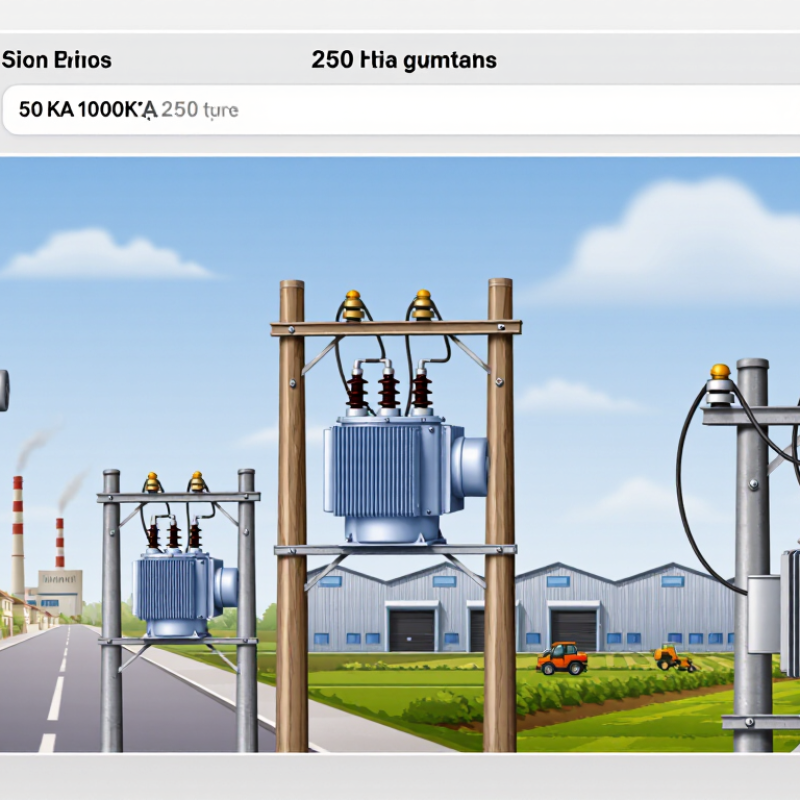
What Is a Pole-Mounted Distribution Transformer?
A pole-mounted distribution transformer lowers medium voltage to safer utilization voltage near homes, farms, and small businesses. It usually contains a magnetic core, copper or aluminum windings, insulating oil, bushings, and protective devices. Mounted on a utility pole, it serves nearby customers without requiring a ground-level substation. The configuration may be single-phase or three-phase, depending on local demand.
Its job is simple, but its operating environment is not. Heat, rain, salt air, lightning, wildlife, and overloaded service lines can affect performance. A typical residential unit may serve several buildings, while larger units support commercial or agricultural loads.
According to the International Energy Agency’s Electricity Grids and Secure Energy Transitions report, annual global grid investment must exceed 600 billion dollars by 2030. Reliable distribution equipment will be essential for that expansion.
Selection requires more than comparing rated capacity. Engineers should check voltage ratio, frequency, insulation level, impedance, cooling method, losses, noise, and installation standards. IEC 60076 provides widely used requirements for power transformers, while local codes govern pole loading and clearances. It is compact. That detail matters. A heavier transformer can demand stronger poles and different lifting equipment. “Best supplier” is also an incomplete question. Testing records, material traceability, delivery consistency, and after-sales field support deserve equal attention. Design assumptions can still fail, especially when future electric vehicle or heat-pump demand is underestimated.
How China Manufactures Pole-Mounted Distribution Transformers
China Top Pole Mounted Distribution Transformers Supplier?
China manufactures pole-mounted distribution transformers through a controlled process that combines automated equipment with experienced technicians. Production usually begins with electrical steel sheets. Machines cut and stack the core with tight alignment. This reduces magnetic loss and unwanted noise. Copper or aluminum conductors are then wound around insulated cylinders. Winding tension matters. A small error can weaken insulation during service.
The assembled core and coils enter a vacuum drying system. Moisture is a quiet enemy. It can reduce insulation life and increase failure risk. Technicians install the tank, bushings, oil conservator, and protective fittings according to the approved design. Transformer oil is filtered before filling. Workers also inspect welds, paint thickness, grounding points, and nameplate data. Galvanized mounting hardware helps the unit withstand rain, dust, and coastal air.
Testing provides the clearest evidence of manufacturing quality. Each unit normally receives ratio, winding resistance, insulation, dielectric, and no-load loss tests. Temperature-rise and leak checks may follow, depending on the project specification. Quality teams record material batches and test results for traceability. This supports maintenance years later. Still, no factory is flawless. Occasional rework reveals weak process controls, unclear drawings, or rushed inspections. Reliable manufacturers treat those findings as engineering feedback, not hidden defects. Field experience should continue shaping the next production cycle.
Key Specifications and Performance Requirements
China remains a major sourcing base for pole-mounted distribution transformers, but specifications should lead supplier selection. Typical units range from 25 to 500 kVA, with primary voltages such as 10, 11, or 13.8 kV. Secondary output commonly supports 400/230 V networks. IEC 60076 and IEEE C57.12.20 provide useful references for insulation, temperature rise, testing, and construction. Losses matter. The U.S. Department of Energy’s Distribution Transformers Technical Support Document estimated annual transformer losses near 60 billion kWh in the United States. That figure makes no-load and load-loss data commercially important.
A reliable specification should state impedance tolerance, short-circuit withstand, sound level, oil volume, and corrosion protection. For outdoor pole service, sealed tanks, UV-resistant coatings, and pressure-relief devices reduce maintenance exposure. Weather is unforgiving. IEC 60076-1 supports routine testing, while IEEE guidance helps evaluate dielectric strength and thermal performance. Buyers should request temperature-rise test records, partial-discharge results, and winding-resistance measurements, not only factory brochures. Efficiency claims need a defined load point and test method. Otherwise, two suppliers may report different “best” results. The DOE’s 2024 efficiency rulemaking also shows that regulatory requirements are moving toward lower transformer losses and improved material performance. A perfect datasheet is not enough. Field temperature, daily load cycles, salt pollution, and installation height can change actual service life. Supplier audits and witnessed tests remain worthwhile, even when the quoted price looks attractive.
How to Evaluate a Chinese Transformer Supplier
Evaluating a Chinese pole mounted distribution transformer supplier requires more than comparing prices. Check the supplier’s production experience, engineering team, and export history. Ask for project references with similar voltage, capacity, and climate conditions. A credible supplier should explain its design choices clearly, not hide behind general claims.
Visit the factory if possible. Observe the winding area, core assembly, oil filling process, and final inspection line. Look for clean workspaces and controlled storage for insulation materials. Request routine and type test reports, including temperature-rise, impulse, and dielectric tests. Confirm that the tests match the agreed standards and transformer specifications. Small details matter. Check bushings, grounding points, coating thickness, and the nameplate data.
Review quality records, material traceability, and inspection procedures before signing a contract. The supplier should provide drawings, packing details, installation guidance, and a realistic delivery schedule. Ask how it handles oil leakage, damaged accessories, or abnormal noise after installation. A responsive technical team is often more valuable than a low quotation. My own checklist can still miss hidden production risks, especially when documents look complete. An independent inspection may expose problems that factory photos cannot show. Also compare warranty terms carefully, because vague service promises create expensive delays in remote areas.
Applications, Standards, and Quality Verification
China Top Pole Mounted Distribution Transformers Supplier?
Applications, Standards, and Quality Verification
Pole mounted distribution transformers support rural feeders, urban extensions, farms, workshops, and temporary construction networks. Their compact design saves ground space and simplifies overhead installation. Selection should match voltage, load profile, climate, and local grid requirements. A 100 kVA unit may suit a small village, while irrigation motors need careful starting-current evaluation. Salt air, dust, and seasonal heat also affect enclosure and insulation performance.
Reliable suppliers normally design against IEC 60076, IEEE C57 requirements, or applicable national standards. Buyers should request the exact standard edition and test limits. Important factory tests include winding resistance, voltage ratio, insulation resistance, no-load loss, load loss, and dielectric strength. Temperature-rise and lightning-impulse tests may require additional verification. Do not accept a certificate without the transformer’s serial number, test date, and measured values.
Quality checks should continue before shipment. Inspect oil level, bushings, seals, mounting brackets, nameplates, and protective coatings. A loose terminal can create heating after installation. I have found that paperwork sometimes looks stronger than the equipment itself. That deserves attention. Request material traceability, calibrated instrument records, routine-test reports, and independent witness testing for critical projects. Photographs of internal assembly can help, but they cannot replace physical inspection. Field commissioning should confirm phase sequence, grounding, insulation condition, and secondary voltage under realistic load. Small installation errors remain surprisingly common.
China Top Pole-Mounted Distribution Transformers Supplier? Applications, Standards, and Quality Verification
Common North American pole-mounted distribution transformer nameplate ratings
The chart presents common ANSI/IEEE distribution transformer rating steps used for pole-mounted applications.
Lower ratings are typically used for individual homes or small rural loads, while higher ratings support larger
residential groups, commercial services, and light industrial loads. Actual selection depends on load demand,
voltage, temperature rise, impedance, protection coordination, and utility specifications.
Quality verification commonly references IEEE C57.12.00 and IEC 60076 series requirements, together with routine
checks such as winding resistance, ratio verification, insulation resistance, dielectric tests, no-load loss,
load loss, impedance, oil leakage, and visual inspection. The ratings shown are standard reference values, not
supplier sales or market-share data.
FAQS
It reduces medium voltage to safer voltage for homes, farms, workshops, and small businesses. It serves nearby customers. The unit usually contains windings, an iron core, insulating oil, bushings, and protective devices.
They support rural feeders, urban extensions, irrigation systems, workshops, and temporary construction networks. Their compact design saves ground space. A single unit may serve several buildings.
Match capacity with present load, future demand, voltage, frequency, and local conditions. Motor starting currents need special attention. Electric vehicles and heat pumps may increase future demand. A simple estimate can still be wrong.
Heat, rain, lightning, salt air, dust, and wildlife can reduce reliability. Seasonal temperatures influence insulation and cooling. Coastal sites need careful corrosion protection. Small details matter.
Request drawings, material records, test reports, packing details, installation instructions, and warranty terms. Every report should show the serial number, test date, and measured values. Vague promises create expensive delays.
Important checks include winding resistance, voltage ratio, insulation resistance, and load loss. No-load loss and dielectric strength should also be measured. Temperature-rise and lightning-impulse tests may require additional verification. Certificates alone are not enough.
Check oil level, bushings, seals, mounting brackets, nameplates, grounding points, and protective coatings. Inspect for loose terminals or damaged fittings. Photographs help, but physical inspection remains stronger.
Confirm phase sequence, grounding, insulation condition, and secondary voltage under realistic load. Inspect for abnormal noise or oil leakage. Installation errors remain surprisingly common. My checklist may miss hidden risks.
Conclusion
This article explains how Pole Mounted Distribution Transformers are designed, manufactured, and evaluated for reliable power distribution in residential, commercial, agricultural, and light industrial networks. It introduces their structure, including the transformer tank, windings, insulation system, bushings, cooling arrangement, and protective components, while describing how Chinese manufacturers manage material selection, production processes, testing, and quality control. The discussion also covers important specifications such as rated capacity, voltage ratio, frequency, temperature rise, efficiency, insulation level, noise, and resistance to environmental conditions.
It further outlines practical methods for evaluating a Chinese transformer supplier, including reviewing technical capabilities, factory quality systems, test records, certifications, delivery performance, and after-sales support. Applications, relevant international and regional standards, routine testing, type verification, and documentation are also addressed. By combining technical requirements with supplier assessment criteria, the article helps buyers make informed decisions and select safe, efficient, durable, and properly verified transformer solutions for their distribution systems.