Choosing the China Best Oil Filled Transformers Manufacturer requires more than comparing prices or browsing polished factory photos. A dependable supplier should demonstrate verified design capability, stable materials, controlled production, and transparent testing records. The manufacturer must understand utility substations, industrial plants, renewable projects, and demanding outdoor environments. Each application changes the decision.
Martin J. Heathcote, author of The J&P Transformer Book, states, “A transformer must be designed for the system it serves, not simply for its nameplate.” This principle remains important when evaluating Oil Filled Transformers. Buyers should examine core steel quality, winding construction, insulation systems, oil preservation, temperature-rise results, and short-circuit performance. Factory acceptance testing should include routine electrical checks and documented inspection procedures. Ask for calibration records, not broad promises.
A strong Chinese manufacturer also explains maintenance clearly. Look for oil sampling guidance, leakage prevention, bushing specifications, and spare-parts support. Visit the production line when possible. Notice how tanks are welded, how coils are dried, and how final units are handled. Small details reveal working discipline.
No supplier is perfect. Some product pages overstate experience. Some buyers also focus too heavily on initial cost. That can become an expensive mistake. A better evaluation considers lifecycle losses, delivery consistency, field service, warranty response, and compliance with applicable international standards. The best choice is not merely the largest factory. It is the manufacturer that provides evidence, answers technical questions precisely, and accepts responsibility after shipment. That standard deserves careful reflection.
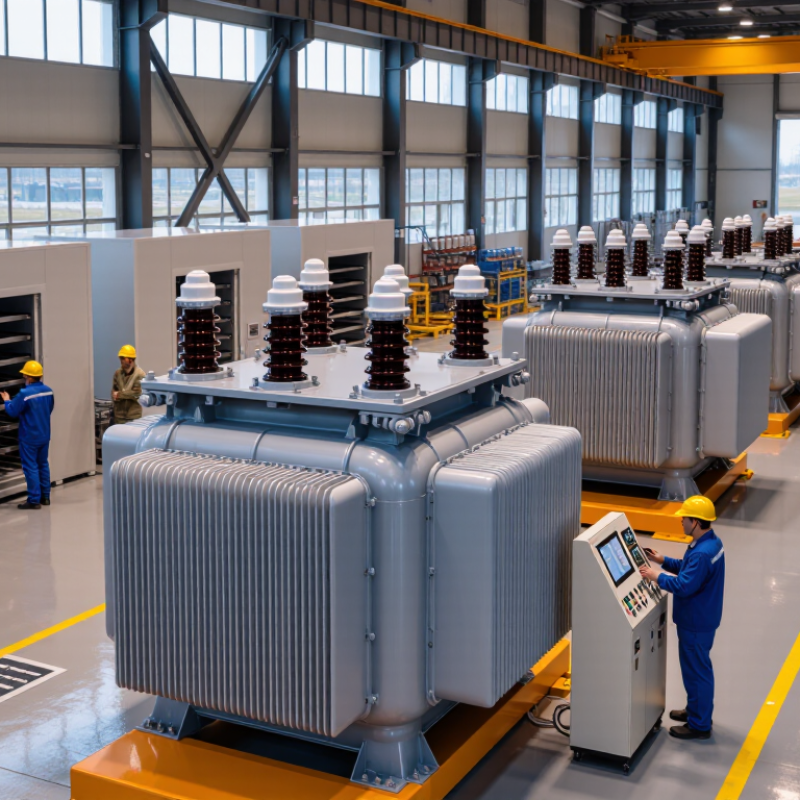
Definition and Role of Oil-Filled Transformers
China Best Oil Filled Transformers Manufacturer?
An oil-filled transformer transfers electrical energy between circuits through electromagnetic induction. Its core and windings sit inside a tank filled with insulating liquid. This liquid separates energized parts and carries heat toward the tank walls. Radiators then release heat into the surrounding air.
In substations, these transformers adjust voltage for transmission or distribution. They support stable power delivery for factories, buildings, and utility networks. From field experience, correct sizing matters as much as manufacturing quality. Load patterns, ambient temperature, altitude, and installation space can change performance. A larger unit is not always better. It may cost more and operate inefficiently under light loads. However, basic specifications alone can still hide weaknesses. Oil quality, sealing, winding design, and factory testing deserve careful review.
Tips:
Check the oil level and temperature regularly. Inspect bushings, gaskets, radiators, and grounding connections for damage. Oil leaks require prompt attention, even when the transformer still operates normally. Periodic insulation checks and oil analysis can reveal moisture, aging, or internal faults early. Keep clear service records. Small changes often matter. A practical reminder: manufacturer claims should be compared with test reports, operating conditions, and independent technical advice.
Key Criteria for Choosing a Chinese Manufacturer
China Best Oil Filled Transformers Manufacturer?
Key Criteria for Choosing a Chinese Manufacturer
Choosing an oil-filled transformer manufacturer in China requires more than comparing prices. Examine engineering experience, production controls, and communication habits. Ask for drawings, material specifications, and previous project records. A reliable manufacturer should explain core steel, winding materials, insulation systems, and cooling methods clearly. Visit the factory if possible. Look for clean winding areas, calibrated equipment, and organized oil storage. Small details often reveal larger habits.
Request documented tests for ratio, winding resistance, insulation performance, temperature rise, and oil quality. Factory acceptance testing should follow agreed technical standards, such as IEC or applicable national requirements. Confirm serial-number traceability for coils, bushings, and protection components. Check whether engineers respond quickly to design changes. Delayed answers can become costly during installation. No factory is perfect. However, repeated documentation gaps deserve serious attention. Independent inspection can expose problems that polished presentations may hide.
Tips: Compare at least three manufacturers. Request recent test reports, not old samples. Clarify warranty coverage, delivery timing, spare parts, and installation support. Ask how defects are recorded and corrected. A sample may pass inspection while production consistency remains uncertain. Evaluate evidence, not promises.
Manufacturing Standards, Quality Control, and Certifications
China Best Oil Filled Transformers Manufacturer?
Manufacturing Standards, Quality Control, and Certifications
The word “best” needs measurable evidence. An experienced manufacturer follows applicable IEC standards and verified national requirements. Engineers should review core losses, winding temperature, insulation levels, and oil compatibility before production. Design calculations must match the customer’s voltage, capacity, and operating environment. Small details matter.
Quality control begins with approved materials and traceable supplier records. Technicians inspect silicon steel, copper conductors, gaskets, bushings, and insulating oil. During assembly, controlled tightening prevents leaks and uneven electrical stress. Each transformer should receive routine tests, including winding resistance, voltage ratio, insulation resistance, and dielectric performance. Factory testing is essential.
Documentation builds trust. A reliable supplier can provide calibration records, test reports, inspection plans, and serial-number traceability. Certifications such as ISO 9001 show a structured quality system, but they do not guarantee every transformer is perfect. Independent inspection can add useful confidence. It may also reveal uncomfortable weaknesses. A rushed final check, even once, deserves investigation rather than excuses. Buyers should verify certificate validity, testing scope, and actual production capability. Ask for evidence, not polished promises.
Transformer Design Options, Applications, and Technical Support
China Best Oil Filled Transformers Manufacturer?
Choosing an oil-filled transformer requires more than comparing factory prices. A suitable design starts with load profile, voltage class, altitude, ambient temperature, and installation space. Mineral oil supports mature, cost-effective designs. Natural ester fluid can improve fire safety and environmental performance in suitable indoor or sensitive locations. Cooling options include ONAN and ONAF, while off-circuit or on-load tap changers support voltage stability.
The International Energy Agency reported that global electricity demand increased by about 4% in 2024. This growth places greater pressure on distribution networks and transformer availability. In practice, engineers should examine no-load losses, load losses, impedance, noise, and short-circuit strength. IEC 60076 testing can verify insulation, temperature rise, ratio, and dielectric performance. Factory acceptance testing is useful, but it does not replace careful site commissioning. That assumption causes problems.
Tips: Request a complete loss schedule, vector group, oil specification, routine-test record, and temperature-rise data. Ask for drawings showing lifting points, radiators, terminals, and maintenance clearances. Technical support should include load calculations, protection coordination, installation guidance, and troubleshooting after delivery. A responsive engineering team can also review unusual conditions, such as coastal corrosion, high elevation, or frequent overloads. However, support promises must be written into the quotation. Otherwise, expectations become vague. No design is perfect; reliable results depend on honest data, disciplined testing, and continuous review.
How to Compare Suppliers, Costs, Delivery, and After-Sales Service
Choosing China’s best oil filled transformer manufacturer requires more than comparing the lowest quotation. I have found that experienced buyers inspect production records, test facilities, and completed project references. Ask for routine test reports, temperature-rise data, no-load losses, load losses, and insulation results. Confirm whether the design follows the standards required by your grid authority. A polished brochure is not technical evidence.
Cost comparison should include the complete supply scope. Check the transformer rating, oil type, cooling method, bushings, conservator, protection devices, spare parts, packing, insurance, and export documentation. A cheaper offer may exclude accessories or site support. Compare total delivered cost, not only the factory price. Request a clear payment schedule and a written tolerance for material changes. Small wording differences can create large expenses.
Delivery promises also need practical verification. Ask for production lead time, inspection dates, port arrangements, and contingency plans for damaged packing or transport delays. After-sales service should specify response times, troubleshooting methods, replacement parts, and commissioning support. A useful supplier can provide wiring drawings and remote technical guidance when the transformer reaches the site. However, claims about “24-hour service” may remain vague without named responsibilities. I would test this before signing by sending several technical questions. The replies may be slow, incomplete, or surprisingly useful. That detail often reveals more than a sales presentation.
FAQS
Review engineering experience, production controls, and recent project records. Ask for drawings and material specifications. Evidence matters more than promises.
A factory visit can reveal clean winding areas, calibrated equipment, and organized oil storage. Small details matter. Still, one visit cannot prove everything.
Request ratio, winding resistance, insulation, temperature-rise, and oil-quality test records. Confirm routine testing against the required international or national standards. Recent reports are better.
Discuss load profile, voltage class, altitude, ambient temperature, and installation space. Confirm losses, impedance, noise, short-circuit strength, and vector group. Missing one detail can hurt later.
Common cooling methods include ONAN and ONAF. Mineral oil supports mature designs and reasonable costs. Natural ester fluid may suit fire-sensitive or environmentally sensitive locations.
Compare the complete supply scope, not only the factory price. Check oil, bushings, radiators, protection devices, packing, insurance, spare parts, and export documents. Cheap offers may omit accessories.
Ask for production lead time, inspection dates, port arrangements, and delay plans. Written support should cover commissioning, troubleshooting, replacement parts, and response times. Vague promises are risky.
Send several detailed engineering questions before signing. Observe response speed, accuracy, and completeness. A polished presentation proves little. Slow replies may signal future installation problems.
Conclusion
Oil Filled Transformers are essential electrical devices that use insulating oil for cooling and dielectric protection, enabling reliable voltage conversion in utility networks, industrial facilities, renewable energy projects, and commercial systems. When selecting a Chinese manufacturer, buyers should evaluate production capacity, engineering experience, raw material sourcing, testing procedures, and the ability to meet project-specific electrical requirements. Attention should also be given to recognized manufacturing standards, quality management systems, routine testing, type testing, and relevant certifications.
A dependable supplier should offer flexible design options, including power ratings, voltage levels, cooling methods, enclosure arrangements, and installation environments. Strong technical support is valuable during system planning, transportation, installation, commissioning, and maintenance. To compare suppliers effectively, customers should review total cost rather than focusing only on the initial quotation. Delivery schedules, warranty terms, spare-part availability, communication efficiency, documentation, and after-sales service should all be considered. A balanced assessment helps buyers choose a capable partner that can provide safe, efficient, and long-term transformer solutions.